
Top small space wooden furniture ideas have become a necessity as more people move into apartments, studios, and smaller homes. City life is evolving rapidly, and living spaces are becoming smaller.
When space is limited, furniture needs to serve multiple purposes. Wooden furniture offers longevity, comfort, and strong adaptability. Wood introduces a natural feel and warmth to cramped interiors, unlike synthetic materials.
You will find clever space-saving designs, effective tips on buying, and professional styling tips in this guide that will help you make your living space feel open and organized, even in a small area.
Why Wooden Furniture Is Perfect for Small Spaces
Wooden furniture offers a practical and stylish solution for homes where every inch of space matters.
Natural Warmth in Compact Interiors
Small rooms can feel cramped or dull. The right furniture can change that impression almost immediately. The grain is natural and the texture adds warmth unlike plastic or metal pieces.
Light wood tones such as oak or pine reflect light, making the room appear brighter and more spacious. The space feels serene and inviting instead of crowded.
Long-Term Durability vs. Particle Board
Solid wood furniture is built to last. It is not easily bent or broken, hence can be used daily. It is even several years old and still tends to remain in good condition with minimal care.
At first glance, particle boards may look similar, but the boards are prone to wear out. A real wood would be more expensive in the short term, but generally costs less in the long term as you will not need to replace it as often.
Space-Saving Design Flexibility
Wood can be designed and molded easily. That is why numerous foldable tables, stackable stools, and expandable tables are produced using it. It enables intelligent designs that are fitting in small houses.
Wooden designs also provide numerous options in terms of a practical approach whether that is a folding-away piece of furniture or a multi-purpose piece that does not appear to be overly bulky.
Sustainable and Eco-Friendly Appeal
A lot of the furniture manufacturers currently utilise timber that has been sourced in a sustainable manner. Wood can be a renewable material when obtained in the right way.
Well-made wooden furniture can be a great choice in case you are concerned about the environment. It is more durable, less wasteful and in most cases less impactful than disposable cheap material.
Smart Space-Saving Wooden Furniture Ideas
The right furniture can completely change how a small space looks and functions.
Foldable Wooden Wall-Mounted Desk
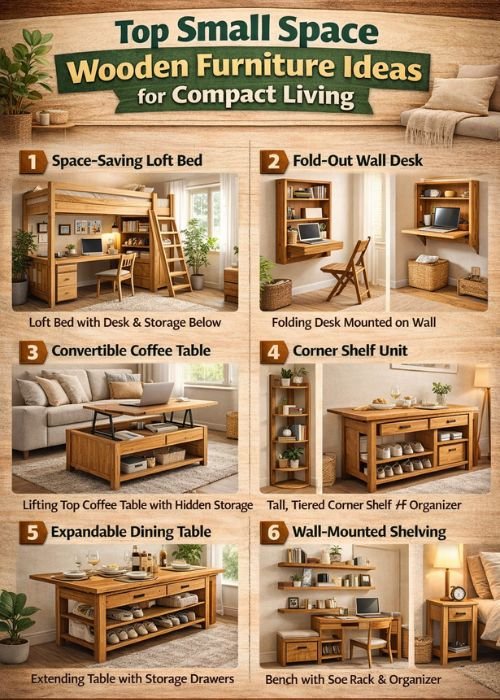
A foldable desk mounted on the wall is an excellent option for a studio apartment or at-home workspace. It folds flat against the wall when not in use and hence does not consume the essential floor space.
Whenever you need it, just pull it down and you get a decent work surface. Combine that with a thin wooden chair and a couple of shelves on the wall above. This makes the room look clean and organized without crowding the room.
Multi-Functional Wooden Sofa Bed
A wooden sofa bed offers a two-in-one solution. It is used as comfortable seating in the daytime. It can easily become a guest bed at night.
Find easy pull-out mechanisms and solid wood frames with the capacity to withstand frequent use. Some designs also include built-in seat storage and this is ideal in storing additional pillows or blankets. It is an efficient solution that adds a sleeping space without needing an extra room.
Wooden Storage Beds with Built-in Drawers
Small bedrooms require intelligent storage systems. The bed is made of wood with an inbuilt storage to allow you to utilize the space underneath the mattress.
You may keep seasonal outfits or additional bedding or even footwear in it. This saves space in having huge wardrobes and makes the room appear tidy. Hydraulic lift beds come in particularly handy since they are deeper in storage and need not occupy additional space.
Nesting Wooden Tables
Nesting tables are easy and very handy in small living rooms. They are available in groups that fit properly under each other.
In case you have some guests you can pull them out and make them side tables. Then put them together in a stack so that they can save space. They are versatile, portable, and do not feel heavy in the room and add a fashionable touch.
Wall-Mounted Wooden Shelves
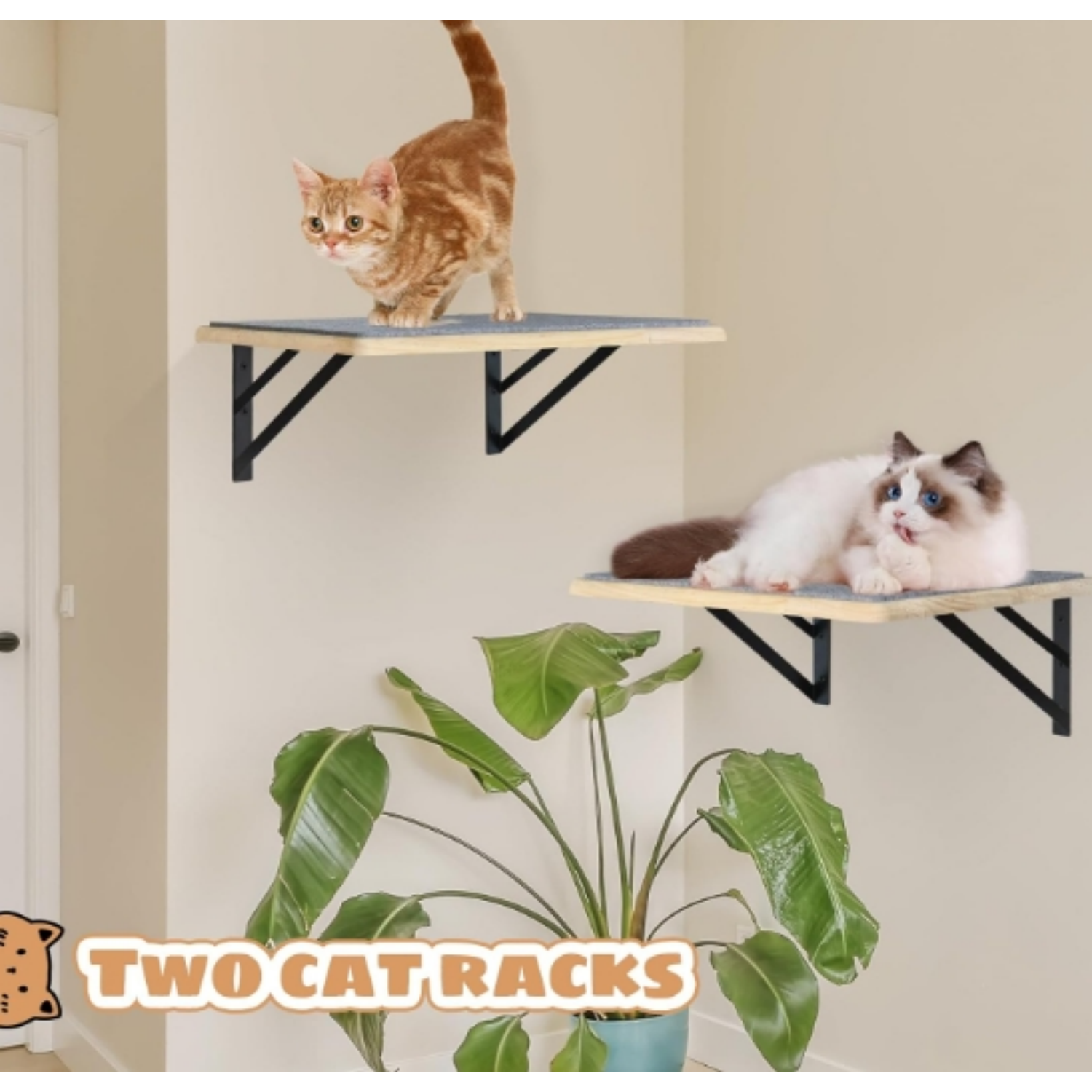
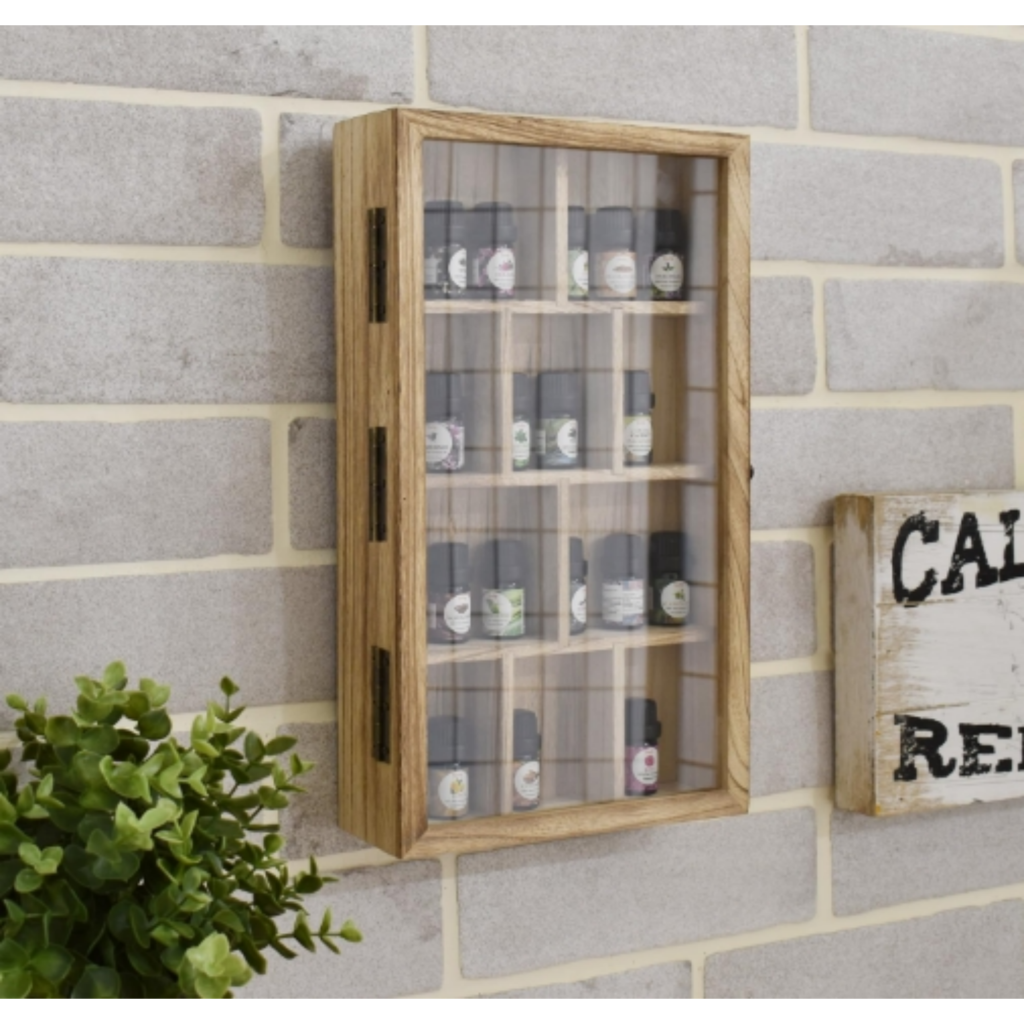
Walls are your friend in small houses. Shelves placed on the walls are made of wood and aid in utilizing the space upwards rather than on the ground.
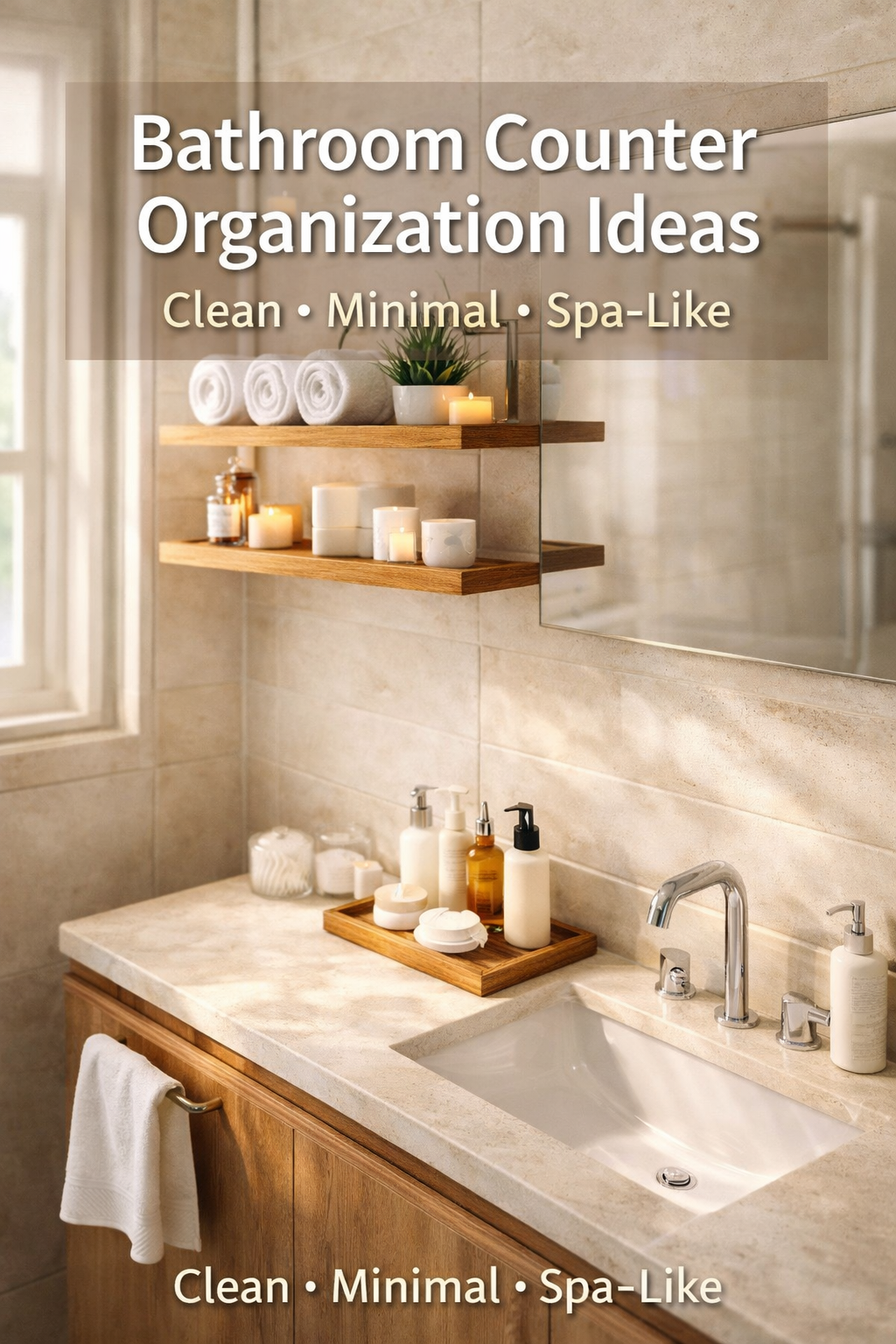
Floating shelves make the shelves look clean. Angles that are left unutilized are used as corner units. Geometric racks are also character adding, but they hold books or decor. These shelves not only serve to organize things, but also make the room look open in the process.
Compact Wooden Dining Sets
In smaller houses, the space used in dining areas is usually limited. A small wooden dining set is a solution to that issue without losing the comfort.
When they are required, drop-leaf tables may be extended and when not in use may be folded. The foldable chairs are compact to store. Tables with extensions are the best when the family is small, and guests are sometimes invited. These designs adapt to your requirements as opposed to occupying space at all times.
Wooden Ladder Shelves
Wooden ladder shelves only lean slightly against the wall and occupy very minimal floor space. Their open-shelf design makes the room appear light.
They are suitable with books, plants, photo frames or storage baskets. They are easy to fit in small rooms as they do not appear bulky and at the same time provide storage utility.
Under-Stair Wooden Storage Units
Space beneath the stairs is usually not utilized. This space is capable of being very functional with wooden drawers or an open shelf.
Shoes, books, or household items could be stored clean out of sight. This solution is beneficial to duplex houses or loft apartments because you are able to increase the storage without necessarily obtaining new furniture to fit into the room.
Choosing the Right Wood for Small Furniture
Selecting the right type of wood plays a big role in durability, appearance, and long-term value.
Solid Wood vs. Engineered Wood
Solid wood is strong and stable. Engineered wood is less expensive and weighs less. Solid wood is a better choice for frequently used furniture such as beds and sofas.
Best Wood Types
- Sheesham – Stout and full of grain.
- Oak – Durable and elegant
- Pine – light and cost-effective.
Finish Options That Make Rooms Look Bigger
- Light finishes are more reflective.
- Matte textures reduce glare
- The harmonious visual effect is achieved with the help of neutral tones.
Dark and heavy finishes have the visual ability to make a room smaller.
Design Tips to Make Small Spaces Feel Bigger
A few clever choices can make even the tiny room seem open and cozy.
- Choose light wood tones
- Stick to minimalist designs
- Avoid bulky carved frames
- Furniture and mirrors to be mixed up.
- Use the same colors in the room.
Imagine your room as a canvas. The weaker the visual pauses, the larger the visual pauses.
Budget-Friendly Small Wooden Furniture Options
You do not need a large budget to design a smart and useful small living room.
Consider
- Ready-to-assemble furniture
- DIY wooden wall shelves
- Selling of seasonal products of the famous brands.
Common Mistakes to Avoid in Small Space Furniture Planning
There are numerous tiny rooms which seem congested, not due to their size, but due to the bad layout of furniture.
- Overcrowding the room
- Ignoring vertical space
- Choosing bulky dark designs
- The omission of appropriate measurements.
Measure twice, buy once. It helps avoid expensive errors and reimbursements.
Conclusion
The right small space wooden furniture may help fully change small living into a comfortable and welcoming experience. The gimmick here is smart multi-purpose designs that would utilize every inch properly but not crammed in the room.
Take good choices, count and invest in quality, but not an impulse purchase. Whenever you desire long lasting well thought wooden solutions, Searunwood collections will have something to match the small modern lifestyle.
Informed choices will bring permanent relief now.
FAQs
Q. What type of wood is best for small furniture?
Oak and Sheesham are highly durable, while Pine is lightweight and budget-friendly.
Q. How can I make a small room look bigger with wooden furniture?
Choose light finishes, avoid bulky designs, and use vertical storage like floating shelves.
Q. Is solid wood better than engineered wood?
Solid wood lasts longer and handles weight better, though engineered wood can be cost-effective for light-use pieces.
Q. What furniture saves the most space in small apartments?
Foldable desks, storage beds, sofa beds, and nesting tables are among the most practical options.